Apple details Secure Exclaves, the silicon walls around cameras and mics
Apple's security team explains how Secure Exclaves isolate camera and mic data on HomeView, iPhone and MacBook Neo.
Apple · Macfolio · 12 November 2026
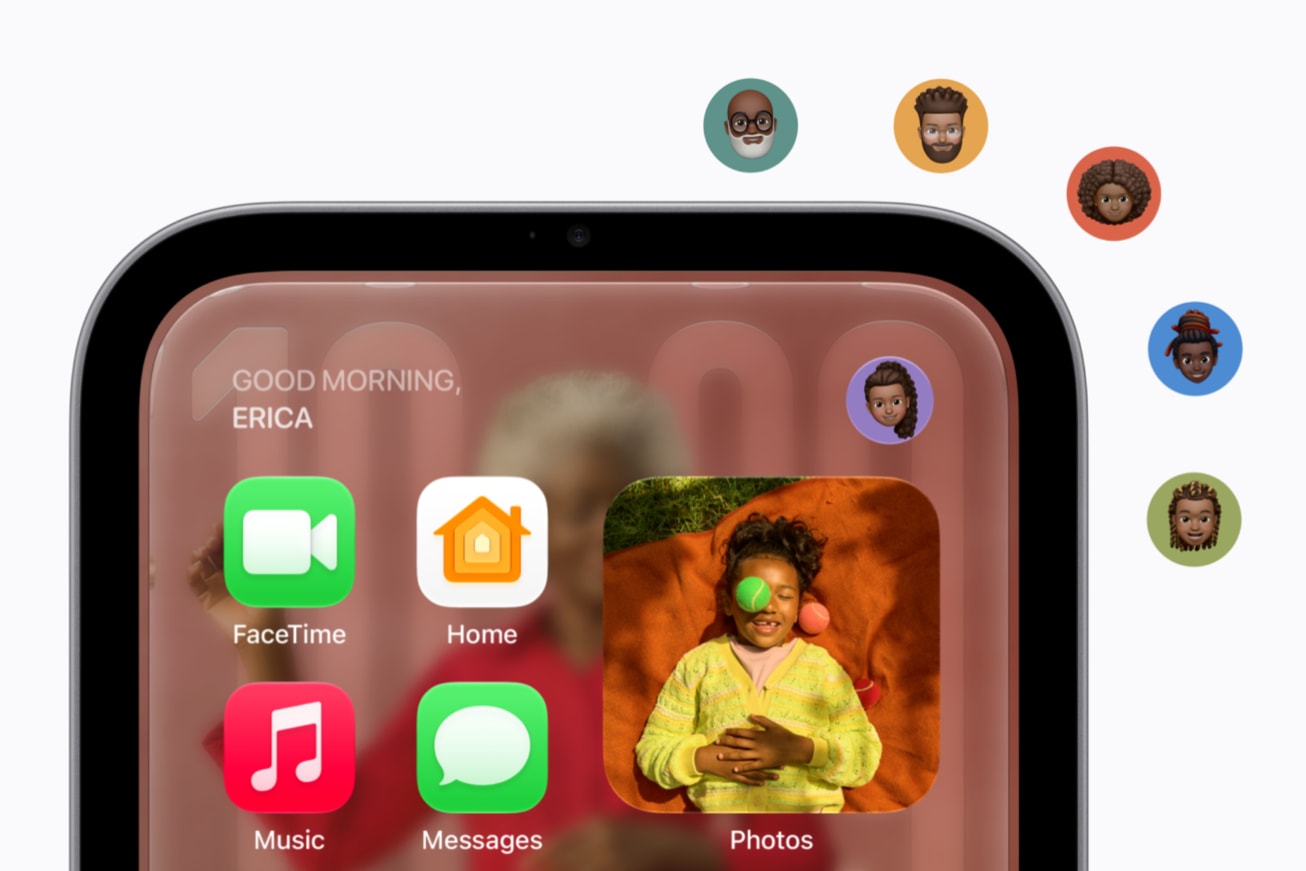
Apple's Security Engineering and Architecture and Core OS teams published a long technical post on November 12, 2026, explaining Secure Exclaves, the isolated runtimes Apple silicon now uses to process camera and microphone data away from the main operating system. The timing lines up with HomeView, which Apple says becomes available November 13 and recognizes up to six people by face and voice.
What Apple says Secure Exclaves do
Apple describes two sensor modes. In ambient mode, a camera or microphone can react to triggers, but only small pieces of metadata, such as whether an enrolled face was recognized, may leave the exclave. In active mode, full audio or video goes to the main OS, and a secure indicator must be showing first. Apple says data processed inside an exclave cannot be accessed by the operating system, apps, or Apple.
Key building blocks from the post:
- An Apple-customized L4 microkernel, the same family used in the Secure Enclave, partly checked with formal verification
- The Secure Page Table Monitor, which sits above the kernel and controls memory mappings
- Secure IPC, a Swift-based interface system that limits what can cross the boundary
- An Exclave Indicator Controller that only releases sensor data once the LED or on-screen dot has been visible long enough
Which devices this covers
Apple names HomeView person recognition, Siri Recap and Live Rewind, plus the camera and microphone indicators on iPhone 18 Pro, iPhone 18 Pro Max and iPhone Duo, and the camera indicators on MacBook Neo and HomeView. Apple's September Audio Intelligence privacy paper adds that iPhone 16 and later models contain a Secure Exclave for raw audio.
For Mac users, the practical takeaway is narrow: on MacBook Neo, the camera light is now enforced by this isolated system rather than by the main OS alone. This does not mean every Mac gains the same protection, and Apple does not list other Mac models in the post.
Our take: this is a serious, unusually detailed disclosure, and the indicator design is the part that matters most for people taking calls on work machines. A hardware-backed promise that the camera light cannot be bypassed by compromised software is worth more than any privacy slogan.
Caveats: this is Apple describing its own design. We have not seen an independent assessment yet, and Apple itself says no security architecture is ever finished.