Apple research Minions turns idle Mac GPUs into a virtual cloud
Apple researchers describe Minions, which harvests idle Apple silicon GPUs across Macs for inference.
Workspace · Macfolio · 16 October 2026
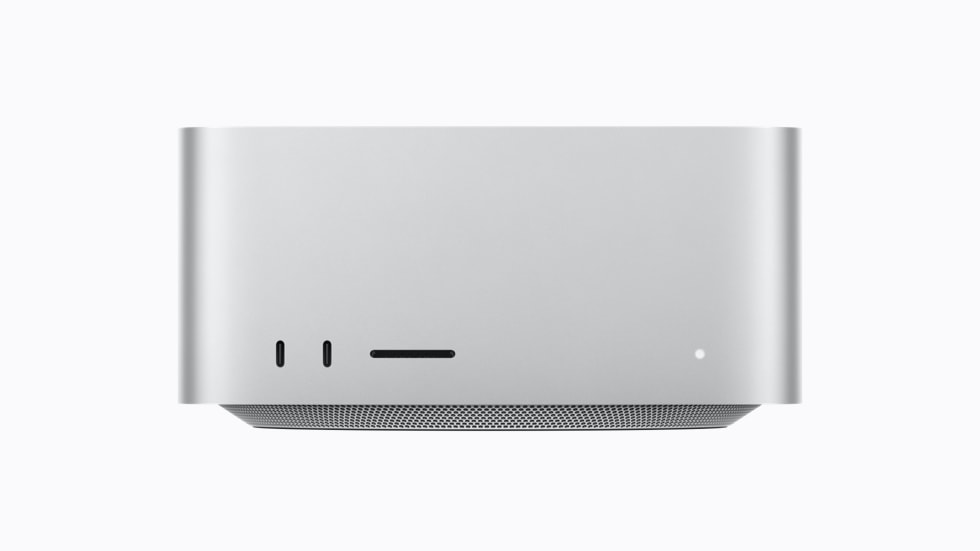
Apple Machine Learning Research published Minions in October 2026: a dynamic, distributed virtual GPU cloud that aggregates idle Apple silicon GPUs across macOS devices for large-scale machine learning inference. The paper is on Apple's research site and on arXiv as 2610.12970, dated October 9, 2026 online. Coverage on October 15 brought it to a wider Mac audience. This is research and internal experience, not a new System Settings toggle or Mac App Store product.
How Minions is described
The abstract says centralized GPU pools are costly and inelastic, while modern Macs leave powerful GPUs mostly idle during ordinary work. Minions aims to run inference jobs on that spare capacity without buying extra GPUs. AppleInsider's summary of Apple's documentation lists four pieces:
- Minions Server: central coordinator with a web UI and APIs, queueing work into a PostgreSQL metadata store
- Minion Executors: agents on macOS hosts that run GPU subtasks and write results to storage
- Minion Watchdog: re-queues work after connectivity or power failures
- Dashboard: real-time monitoring of the fleet
AppleInsider also notes that Mac mini and Mac Studio already support Thunderbolt 5 RDMA clustering for shared compute and memory, and frames Minions as a broader idea for harvesting idle GPUs, including paths that may not require Thunderbolt for every participant. Apple's abstract stresses fault tolerance and efficient utilization in environments where centralized GPUs are constrained.
What this does not mean for your office
This does not mean macOS 27 ships a one-click donate-GPU switch, or that IT should point Minions at every laptop without change management. The publication is a research paper. Security, tenancy, network policy, and user consent are not solved by the abstract. Reported speedups (jobs that once took more than 10 hours dropping to minutes in Apple's experience, per secondary reporting) are not a promise for your models or your fleet.
Our take: Mac-centered teams already clustering Studios over Thunderbolt 5 should read the paper as a blueprint for idle-GPU inference, not as a product announcement. Wait for open code, operational docs, or an official developer download before planning production use.
If you only need single-box local models, stick with MLX on one Mac; Minions is about many machines sharing spare GPU time.