Shotbase vs CleanShot X vs Screen Studio: Which Mac Capture App Fits Your Workflow?
Compare Shotbase, CleanShot X, and Screen Studio across screenshots, recordings, editing, organization, and sharing to find the right Mac capture app.
 Dudu
DuduThree Mac apps promise to make screen captures look better, but they emphasize different parts of the job. Shotbase does both: it makes and edits screenshots and polished screen recordings, then gives you an organized app to store, search, and quickly find previous captures. CleanShot X is built around fast, flexible screenshots and annotation, with recording and cloud sharing alongside them. Screen Studio concentrates on turning a screen recording into a polished video.

Here is how to choose based on the work you actually do.
The short answer
- Choose Shotbase if you want one app for both screenshots and polished screen recordings, plus an organized library that helps you find old captures quickly. Local AI can add useful names, tags, and summaries.
- Choose CleanShot X to take and annotate screenshots quickly throughout the day. It offers flexible capture modes, scrolling capture, annotation, OCR, and a quick access overlay.
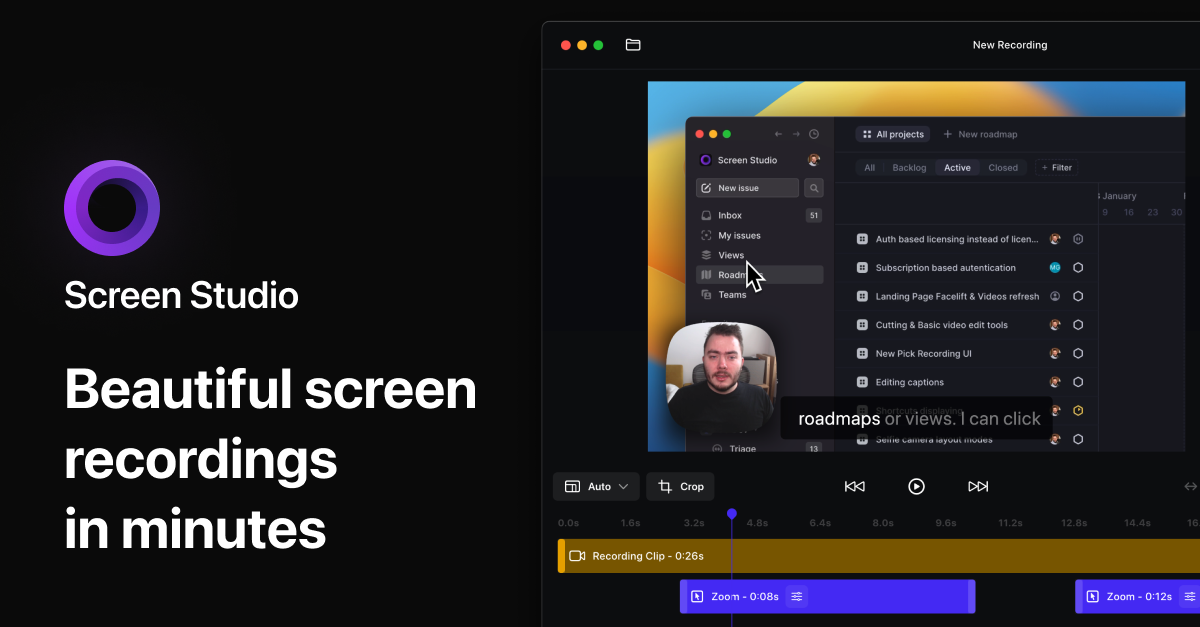
- Choose Screen Studio to make product demos, tutorials, or social videos. It offers automatic zooms, cursor treatment, a video timeline, and ready-made export layouts.
These are starting points rather than exclusive categories. Shotbase covers both the screenshot and video workflows, then keeps the results together for later use. CleanShot X leans into fast screenshot work, while Screen Studio puts more attention on editing the finished video.
Shotbase: screenshots, recordings, and a place to find them
Shotbase covers both sides of screen capture. For still images, it can grab an area, window, or whole screen; make scrolling screenshots; and capture webpages at different widths and in light or dark mode. For video, it records the screen with automatic zooms and offers motion and 3D effects. Its editor adds backgrounds, frames, shadows, watermarks, arrows, highlights, and callouts.
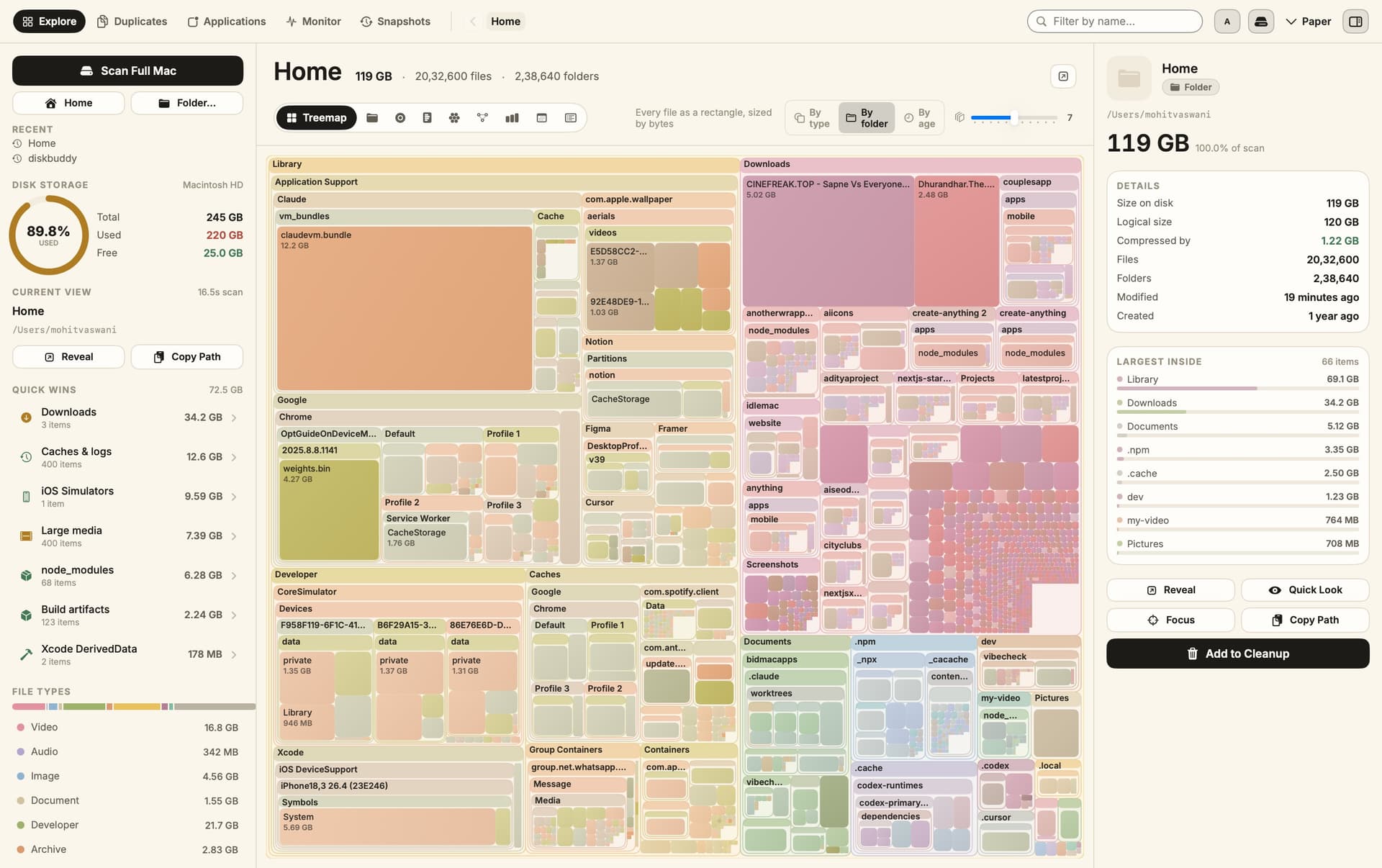
After you capture something, Base keeps screenshots, screen recordings, and webpage captures together in an organized app. Instead of hunting through folders for a screenshot or recording from weeks ago, you can search the library. On Apple silicon Macs, local AI can give captures useful names, tags, and summaries to make them easier to find. Shotbase says this visual analysis runs on your Mac. Finished captures can also be uploaded to a share page and sent by link.
CleanShot X: the everyday screenshot specialist
CleanShot X is a strong choice when the work begins with a screenshot and needs to move quickly. Capture an area, window, full screen, or scrolling content; add arrows, text, highlights, and other annotations; extract text with OCR; then drag the result into another app or share it through CleanShot Cloud. Its quick access overlay keeps recent captures close at hand.

It also records video and GIFs, including microphone and computer audio, camera, click indicators, and keystrokes. Its video editor has grown, so it should not be dismissed as a still-image-only tool. The reason to choose it over Shotbase is the mature, highly configurable capture and annotation flow. The reason to choose Shotbase instead is its broader emphasis on organizing mixed media and webpage captures in one library.
Screen Studio: make the recording the finished product
Screen Studio is built for demos, lessons, and social clips. It automatically zooms toward actions, smooths cursor movement, and lets you adjust zooms on a timeline. You can change backgrounds, spacing, shadows, and the output orientation, then trim or speed up parts of the recording. It records a webcam, microphone, and system audio, and it can record a connected iPhone or iPad with a device frame. Exports include video and GIF, with presets for different destinations.
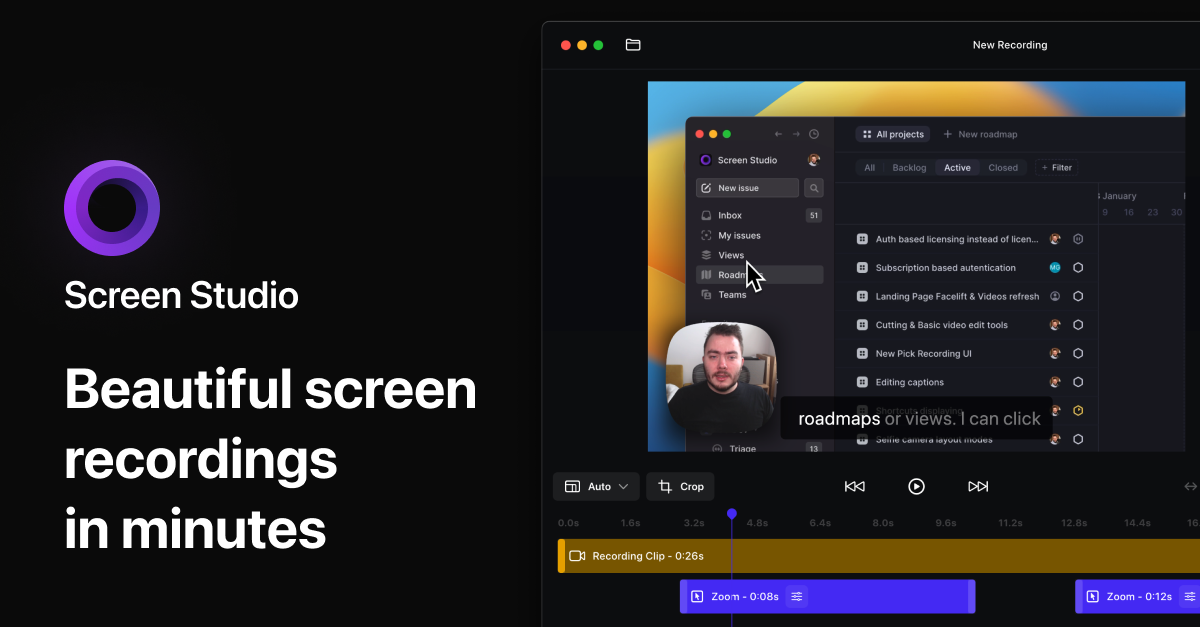
That focused workflow makes Screen Studio the clearest pick if your deliverable is a polished video. Shotbase offers automatic zooms and richer capture organization; CleanShot X offers a broader screenshot toolkit. Screen Studio spends more of its interface on refining motion and presentation after you stop recording.
Which should you use?
Pick Shotbase if you want to create both screenshots and polished screen recordings, then store, organize, and quickly find either one later. Pick CleanShot X if screenshots, annotation, OCR, and quick sharing make up most of your day. Pick Screen Studio if most of your work is refining product demos or tutorial videos.
Try the workflow you repeat most often: capture something, make the edit you usually need, find it again, and share or export it. That small test will tell you more than a long feature checklist.
Sources